Next-generation thermostats, expansion valves, sensors, and building management systems — engineered with IoT connectivity and AI-driven analytics for precision climate control across commercial and industrial facilities.
Adaptive HVAC control solutions tailored to the unique demands of every facility environment

Precision cooling controls maintaining server rooms within 0.5°C tolerance. Our BMS integration enables real-time PUE optimization and predictive failure alerts across thousands of sensors.
Learn More →
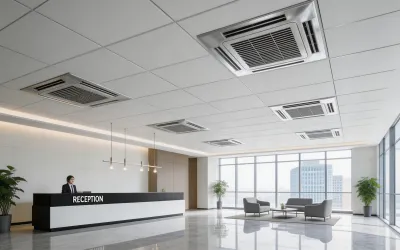
Occupancy-responsive climate systems that reduce energy consumption by adapting zone-level control to real-time building usage patterns and weather forecasts.
Learn More →
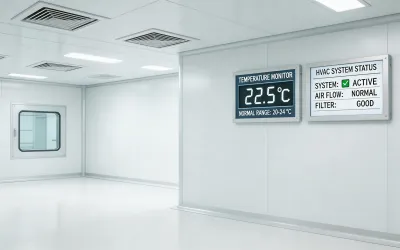
GMP-compliant environmental monitoring with audit-ready data logging. Validated temperature and humidity controls for cleanrooms, storage, and production areas.
Learn More →
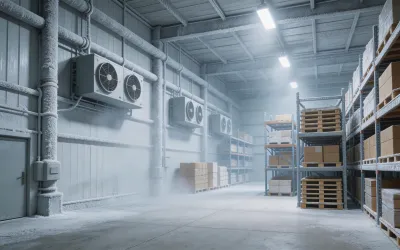
Continuous cold chain monitoring from production to delivery. Automated defrost sequencing, compressor staging, and real-time temperature alerting.
Learn More →
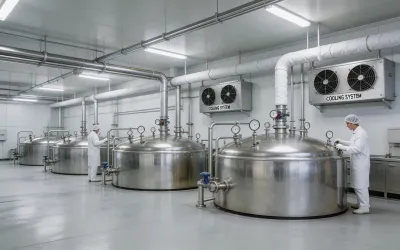
HACCP-aligned temperature management across processing, fermentation, and storage zones. Multi-zone control with tamper-proof digital records.
Learn More →
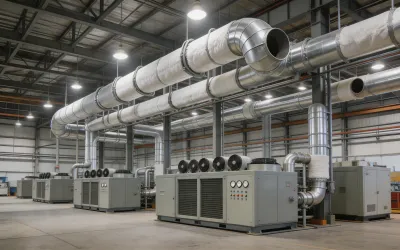
High-precision process cooling controls for chemical, petrochemical, and manufacturing applications. VFD-integrated compressor management and cascade system coordination.
Learn More →From precision sensors to complete building management platforms, every component is engineered for connectivity and performance
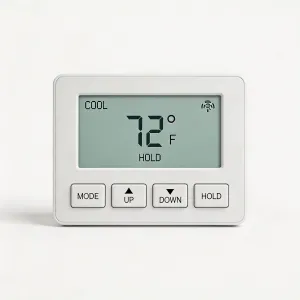
Programmable and IoT-connected thermostats with occupancy detection, learning algorithms, and cloud management for multi-zone control.
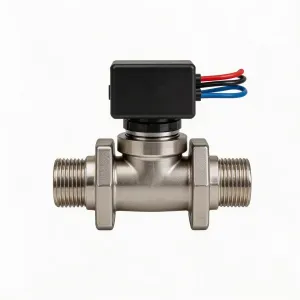
Stepper-motor driven EEVs with superheat control accuracy of ±0.5K. Compatible with R-410A, R-32, R-290, and R-744 refrigerants.
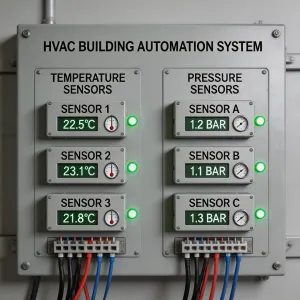
High-accuracy temperature, pressure, and humidity sensors with 4-20mA, Modbus, and BACnet outputs for seamless BMS integration.
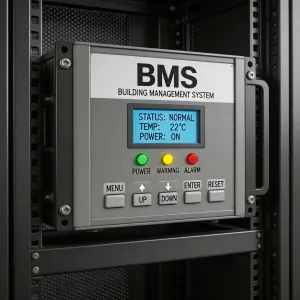
Scalable building management system controllers with integrated analytics, edge computing, and cloud connectivity for portfolio-wide optimization.
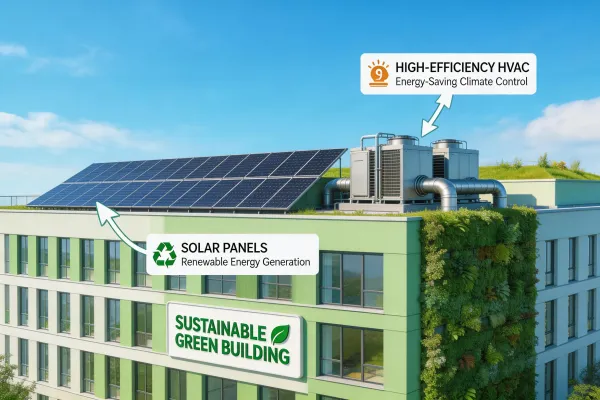
Our control platforms are designed for the low-GWP refrigerant transition. From R-290 compressor management to CO2 transcritical cascade coordination, Emerson controls help facilities reduce their carbon footprint while maintaining peak performance.
Documented results from control system installations across three facility types
A North American colocation operator with three campus buildings running legacy pneumatic controls faced PUE above 1.8 and frequent hot-spot incidents. Emerson deployed 1,200 IoT sensor nodes, replaced existing controls with BACnet-networked DDC controllers, and implemented dynamic airflow balancing across 48 CRAH units. Within 12 months of commissioning in 2023, monitored PUE dropped to 1.38 and cooling energy expenditure decreased by 31% — verified against utility billing data from the previous 24-month baseline period.
A European pharmaceutical manufacturer operating ISO Class 7 cleanrooms for injectable drug production needed 21 CFR Part 11 compliant monitoring after a regulatory audit finding in 2022. Emerson installed validated temperature and differential pressure monitoring across 8 production zones with redundant sensor arrays and automated deviation reporting. During the first 18 months of operation, the system generated 4 predictive alerts for compressor bearing degradation, each resolved during scheduled maintenance windows with zero unplanned production interruptions.
A Middle Eastern commercial real estate group managing a mixed-use tower with highly variable occupancy patterns (30-95% depending on floor and time of day) required zone-level demand-controlled ventilation. Emerson deployed occupancy sensors on all 14 floors tied to CO2-based ventilation modulation and chilled water valve sequencing. Post-commissioning monitoring from Q2 2024 showed HVAC runtime reduction of 22% and chiller plant COP improvement from 3.1 to 4.2 at average part-load conditions — tracked through the building's sub-metering infrastructure.